Oral-B Vitality CrossAction vs Philips Sonicare 1100 Power
We compare the Oral-B Vitality CrossAction and the Philips Sonicare 1100 Power across every dimension that matters - our scores, the key specs, and how each performs on the things you will actually notice day to day.

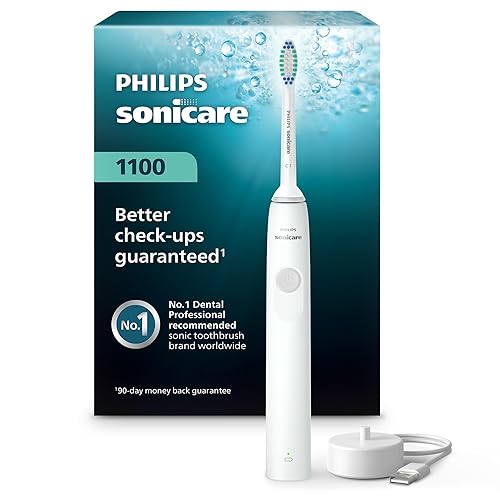
At a glance
| Oral-B Vitality CrossAction | Philips Sonicare 1100 Power | |
|---|---|---|
| Our score | 9.2/10 | 8.8/10 |
| Best for | More thorough daily brushing with a timer | More thorough daily brushing with a timer |
| Not ideal for | Anyone happy with a manual brush, or wanting the absolute cheapest option | Anyone happy with a manual brush, or wanting the absolute cheapest option |
| Brand | Oral-B | Philips |
Cleaning Action and Modes
Oral-B Vitality CrossAction
Cleaning action on this electric toothbrush is driven by an oscillating-rotating motion, designed to move the brush head in and around the tooth surface to help lift and remove plaque during normal brushing. The handle offers 1 cleaning mode, which is 2D Cleaning (not stated means there are no mode choices beyond this). This model supports a consistent brushing pattern rather than targeted settings for sensitivity or whitening. Effective plaque removal still depends on technique, including placing the bristles at the gumline and guiding the head slowly across each section of the mouth.
Philips Sonicare 1100 Power
Sonic brushing drives the cleaning action of this electric toothbrush, and the review title confirms this "sonic" style without listing any extra brushing modes. With sonic movement, the bristles are kept working across the teeth and along the gum line, so plaque removal depends on consistent contact and angle. The brush head should be held at about a 45-degree tilt, then moved slowly from tooth to tooth while the vibration does most of the work. Some people may prefer toothbrushes that offer more mode choices for different sensitivity needs.
Battery Life and Charging
Oral-B Vitality CrossAction
Regularly, the Oral-B handle is powered by its built-in battery. The kit includes a 2-pin UK plug for charging. In day-to-day use, the charging method affects convenience because a nearby UK mains outlet is needed, along with access to the handle charging point. As the battery weakens, charging becomes part of the routine, so planning around charging time helps avoid interruptions.
Philips Sonicare 1100 Power
Battery life and charging for the Philips are not described in the provided title details, so the review cannot confirm how long it runs per charge or how quickly it recharges. With recharge time and operating duration listed as "not stated", buyers should check the device manual or the official product page before planning travel use. For daily care, the handle would be placed on its charger after brushing and left there until charging completes, as instructed on the product guidance.
Pressure Sensor and Timer
Oral-B Vitality CrossAction
A pressure sensor and timer are key features for an electric toothbrush because they help users brush for long enough and avoid pressing too hard on their gums. For the electric toothbrush, the presence of such guidance is designed to support more consistent brushing, particularly for users whose pressure varies during the day. The timer provides pacing for the session, while the pressure sensor can alert when force is excessive, reducing the chance of over-brushing. This approach is practical because it requires little training, though results still depend on the user following the cues.
Philips Sonicare 1100 Power
A lack of confirmed details about charging and run time means users may additionally want to look closely at how the toothbrush guides day-to-day brushing, especially through its pressure control and timing features. The Philips Sonicare 1100 Power Toothbrush, White Grey HX3641/02, uses a pressure sensing system to discourage pressing too hard, helping prevent excessive force on gums. It also includes a built-in timer, so sessions can be followed without constantly checking a clock. The guidance is to start with light contact, let the sonic action do the work, then adjust pressure until the sensor indicates. Weaknesses can include variable comfort for some users.
Brush Heads and Running Costs
Oral-B Vitality CrossAction
When choosing brush heads for the Oral-B, running costs depend mainly on how often the head is replaced. Worn bristles clean less effectively and can wear down sooner than expected, so replacement should follow a regular schedule based on a dentist's advice or on visible wear. Replacement frequency matters more than the number of cleaning modes, because this model offers 1 cleaning mode with 2D cleaning. Buying multi-packs can reduce the unit cost, although availability varies by retailer. Using one head per person also avoids cross-use.
Philips Sonicare 1100 Power
Regular replacement of brush heads is a key part of owning the Philips, because the bristles wear down with everyday use and worn bristles clean less effectively. The toothbrush itself is rechargeable and sonic, so the ongoing cost mainly depends on buying new heads. Owners typically need to keep track of wear. When bristles fray or splay, cleaning can feel weaker, although the timer and pressure system still work. Planning ahead helps, as compatible heads may vary in availability and price. Overall, ongoing costs are manageable, but budget planning matters.
Smart Features and Travel
Oral-B Vitality CrossAction
For travel, the electric toothbrush power CrossAction stays straightforward because it is an electric toothbrush supplied with 1 handle, 1 Cross Action toothbrush head, and 1 cleaning mode offering 2D cleaning. Charging convenience is supported only by the included 2 pin UK plug, so bringing a plug-compatible charger may be sufficient. On trips, the single cleaning mode removes choice, and the same Cross Action head design is used throughout. Sensor-based feedback is not mentioned, so brushing results depend on technique.
Philips Sonicare 1100 Power
Smart features and travel matter for the electric toothbrush because daily convenience can influence how consistently the brush is used, and consistency is a key factor in outcomes. This model is described as a rechargeable sonic toothbrush, but the title does not specify any smart app controls, connectivity, or tracking indicators. For travel, that means there is no mention of usage reminders or monitoring features, so it relies on straightforward operation and charging access. Overall, it suits people who prefer a simple, non-connected setup for everyday brushing, but it does not meet the needs of users looking for advanced travel prompts.
Who Is This Electric Toothbrush For?
Oral-B Vitality CrossAction
The Oral-B Vitality CrossAction electric toothbrush suits people who want a straightforward brushing routine with minimal choice. It has 1 cleaning mode with 2D Cleaning, so there is no need to select between different intensities or programmes. The steady brushing action makes it a good fit for beginners and busy adults who prefer consistent performance session to session. The included Cross Action brush head is designed for everyday plaque removal. It may feel limiting for people who want multiple mode options, specialised gum care programmes, or more advanced control features.
Philips Sonicare 1100 Power
This rechargeable sonic toothbrush suits people who want a simple daily option without app-based guidance. The Philips Sonicare 1100 Power, in white and grey, is designed for everyday cleaning needs for most adults, with sonic brushing as the defined key feature. It also fits buyers who prioritise sonic brushing performance over traditional manual cleaning.
Oral-B Vitality CrossAction: pros
- Oscillating-rotating cleaning action
- 1 cleaning modes for different needs
- Removes more plaque than a manual brush for most people
Cons
- Replacement brush heads are an ongoing cost
- More expensive upfront than a manual toothbrush
- Needs recharging (though many last weeks per charge)
Philips Sonicare 1100 Power: pros
- Sonic cleaning action
- Removes more plaque than a manual brush for most people
Cons
- Replacement brush heads are an ongoing cost
- More expensive upfront than a manual toothbrush
- Needs recharging (though many last weeks per charge)
Our verdict
Our pick is the Oral-B Vitality CrossAction (our score 9.2/10) - A practical electric toothbrush (oscillating-rotating, 1 cleaning modes) that helps you brush more effectively than a manual brush. The Philips Sonicare 1100 Power is still worth it if it is cheaper when you check, or if it better matches your specific needs.