Philips Sonicare 3100 Series vs Philips Sonicare 4100 Power
We compare the Philips Sonicare 3100 Series and the Philips Sonicare 4100 Power across every dimension that matters - our scores, the key specs, and how each performs on the things you will actually notice day to day.

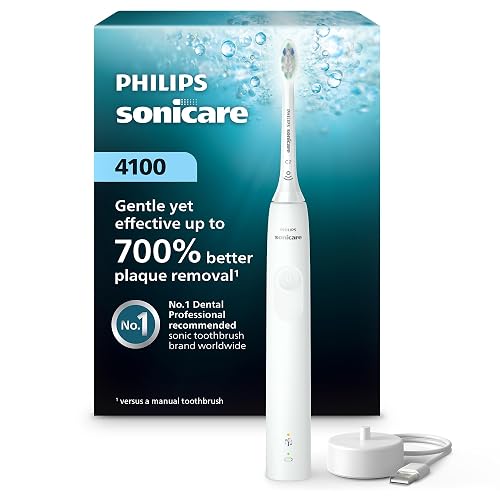
At a glance
| Philips Sonicare 3100 Series | Philips Sonicare 4100 Power | |
|---|---|---|
| Our score | 6.8/10 | 6.7/10 |
| Best for | More thorough daily brushing with a timer and pressure sensor to protect your gums | More thorough daily brushing with a timer and pressure sensor to protect your gums |
| Not ideal for | Anyone happy with a manual brush, or wanting the absolute cheapest option | Anyone happy with a manual brush, or wanting the absolute cheapest option |
| Brand | Philips | Philips |
Cleaning Action and Modes
Philips Sonicare 3100 Series
With the Philips, the cleaning action uses a sonic brush design and is intended for everyday brushing. It includes three intensity levels, allowing users to select a softer or stronger feel for comfort. A pressure sensor is built in to help reduce excessive force, which can lower the likelihood of over-scrubbing gums. For typical use, the brush head should be guided along the teeth surfaces so the sonic motion does the work rather than relying on heavy pressing. The EasyStart feature ramps up gradually, which can feel gentler at first. No specialist modes are specified.
Philips Sonicare 4100 Power
This electric toothbrush is built around a sonic cleaning action for everyday brushing, using vibrations to support effective plaque removal along the gumline. The brush includes a pressure sensor designed to help reduce overly hard scrubbing, which can be uncomfortable for gums. During brushing, the sonic action works as the brush head is guided across teeth at the gumline, covering the front, back, and chewing surfaces. Results can vary depending on technique, plaque build-up, and consistency.
Battery Life and Charging
Philips Sonicare 3100 Series
Battery performance for the electric toothbrush is rated at a 14-day runtime, so most users can usually get through about two weeks before needing to recharge. Charging habits affect the schedule, because the brush can be used at different frequencies and in one of the 3 intensity levels. To charge, the brush must be placed on its charger until the power is fully restored, then removed for the next use. A travel case is included.
Philips Sonicare 4100 Power
Battery life and charging determine how practical the Philips is for day-to-day use, especially if it is used every morning and evening. As a rechargeable electric toothbrush, it requires periodic charging. The battery management likely supports regular home routines, yet travel days can still require planning if charging access is limited. Charging steps are straightforward: place the handle on its charger, wait until it completes, then store it dry. How long charging takes is not stated, so the charging routine may need to be confirmed against your own usage pattern.
Pressure Sensor and Timer
Philips Sonicare 3100 Series
A pressure sensor and timer support consistent brushing habits by helping users maintain appropriate pressure and stay on track during each session. The pressure sensor monitors how firmly the person presses on the teeth, which can help reduce overly forceful scrubbing that may feel effective but can be abrasive. The SmarTimer provides timing guidance across the brushing period, helping users avoid stopping early. With three intensity levels, pressure and timing feedback still require selecting a comfortable level first, and the guidance becomes less useful if the feedback is ignored.
Philips Sonicare 4100 Power
Regularly, the electric toothbrush is designed to help users brush more gently and consistently, thanks to a pressure sensor in the handle. When the bristles are pressed too hard, the sensor can cue the user to reduce force, which may help limit over-brushing on enamel and gums. The handle also includes a timer, which supports routine coverage by signaling when brushing sessions should finish. Users can follow the cues during each stroke, then reassess technique if they still see continued high pressure. Still, the exact alert style is not stated, so responses may vary by person.
Brush Heads and Running Costs
Philips Sonicare 3100 Series
Brush head costs matter because electric toothbrush performance depends on using the right replacement heads, and spending on replacements is a recurring part of ownership. Replacing heads also follows a practical routine, as worn bristles can clean less effectively even when the handle continues to work normally. Intensity can be set to three levels, but running costs depend mainly on how often heads are replaced. Budgeting is especially useful if multiple people share the same handle.
Philips Sonicare 4100 Power
Pressure-sensor cues can help users brush with less force, but ongoing costs depend on the brush heads. The Philips model uses replaceable heads to deliver the cleaning action, so replacement schedules affect running costs. Each head must be swapped when cleaning performance drops or the bristles wear. Users will need to budget for periodic refills, and availability can vary by retailer. Those who replace heads regularly may find costs steady, while delaying replacement can lead to less effective brushing and faster wear of gums and teeth. Buying multi-packs may lower the per-head cost, but specific prices are not provided.
Smart Features and Travel
Philips Sonicare 3100 Series
Smart features and travel planning matter because day-to-day convenience and portability affect whether an electric toothbrush is used consistently, even when replacement brush-head costs are already considered. The Philips includes SmarTimer, which helps users keep a routine without constant checking. It also offers three intensity levels and an EasyStart, so the shift in brushing feels less abrupt on travel days. A travel case supports packing and helps protect the brush in transit, reducing mess risk in bags.
Philips Sonicare 4100 Power
During smart features and travel support, an electric toothbrush can fit more easily into daily routines, but the experience depends on what is included in the box and how the device is carried. When travelling, a rechargeable electric toothbrush typically needs safe storage, such as a hard case, to protect the head and reduce mess. If accessories, travel cases, or chargers are missing (not stated), planning ahead is important for smooth use.
Who Is This Electric Toothbrush For?
Philips Sonicare 3100 Series
The Philips Sonicare 3100 Series electric toothbrush suits people who want a straightforward sonic brushing setup with a few built-in controls. It is aimed at users who prefer to choose between three intensity levels to find a gentler or stronger feel, and then keep the same setting. The pressure sensor is useful for anyone who may brush too hard, as it provides feedback while cleaning. A travel case is included, which helps with packing for trips. Buyers looking for many advanced modes or custom routines may find the feature set less comprehensive than models with broader customisation options.
Philips Sonicare 4100 Power
The electric toothbrush is for adults who want a simple, rechargeable sonic toothbrush with a built-in pressure sensor to help reduce overly hard brushing. It suits people who prefer straightforward controls and want pressure feedback while brushing, particularly if they tend to press too firmly. The pressure sensor can also support better brushing technique during learning, by flagging poor brushing habits early. It may not suit buyers who expect advanced smart modes or detailed customisation.
Philips Sonicare 3100 Series: pros
- Sonic cleaning action
- Pressure sensor protects gums from over-brushing
- Travel case included
- Removes more plaque than a manual brush for most people
Cons
- Replacement brush heads are an ongoing cost
- More expensive upfront than a manual toothbrush
- Needs recharging (though many last weeks per charge)
Philips Sonicare 4100 Power: pros
- Sonic cleaning action
- Pressure sensor protects gums from over-brushing
- Removes more plaque than a manual brush for most people
Cons
- Replacement brush heads are an ongoing cost
- More expensive upfront than a manual toothbrush
- Needs recharging (though many last weeks per charge)
Our verdict
Our pick is the Philips Sonicare 3100 Series (our score 6.8/10) - A practical electric toothbrush (sonic) that helps you brush more effectively than a manual brush. The Philips Sonicare 4100 Power is still worth it if it is cheaper when you check, or if it better matches your specific needs.